KEMA Column
The color you had freshly dyed at the salon was just what you wanted, but two weeks later, it has faded to a yellowish, bright tone. Are you giving up, thinking, "My hair just doesn't hold color well"? It is true that hair quality and the degree of damage can lead to differences in how long color lasts. However, how you treat your hair after dyeing is just as significant.
The first week after coloring is especially crucial. During this time, your hair is still unstable, and minor differences in your daily habits can greatly affect how well the color lasts thereafter. In this article, we will guide you through the process of why color fading occurs and the specific care you can start today, step by step. Please use this as a reference to enjoy your favorite color for as long as possible.
What you will learn in this article
- The mechanism behind hair color fading
- What you should do from the day you dye your hair until the first week
- NG habits that accelerate color fading
- Home care to keep your hair beautiful until your next color appointment
Contents
Why does hair color fade?
Before looking at countermeasures, let's briefly understand "why color fades." Understanding the mechanism will help you grasp the meaning behind each step of care.
Hair color generally used in salons first uses alkaline agents to open the cuticle (the scale-like membrane) on the hair surface, allowing dye to enter the hair shaft. The dye then develops color inside, expands, and stays within, making the hair look colored.
Color fading occurs when this dye gradually leaks out through the gaps in the cuticle. Generally, the hair is in an unstable state for about 1 to 2 days after dyeing, as the color has not fully set. The main causes that advance color fading are the following four:
- Water and shampoo: When hair gets wet, the cuticle becomes easier to open, and dye leaks out a little each time you wash it.
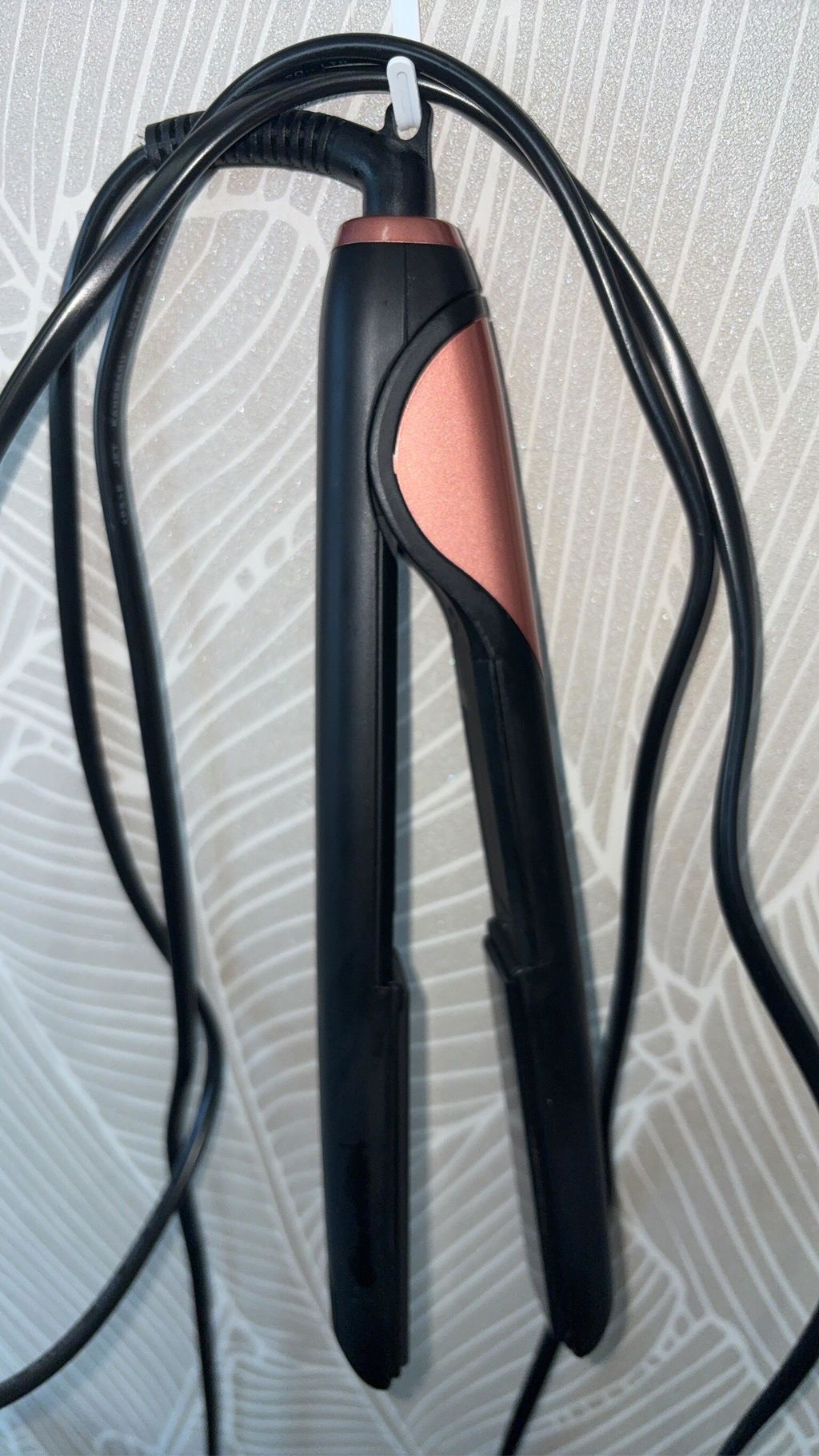
- Heat: Hot water, excessive blow-drying, and high-temperature flat irons contribute to faster fading.
- UV rays: UV rays alter the dye inside the hair, causing it to fade.
- Friction: When the cuticle is damaged by rubbing against towels or pillows, it becomes easier for the dye to flow out.
In other words, care that improves color retention is all about "preventing the cuticle from opening unnecessarily" and "preventing damage to the cuticle." Everything introduced hereafter relates to these two points.
How to spend the first 48 hours after dyeing
The most delicate period is the first two days after dyeing. During this time, try to keep the following in mind:
- If possible, skip shampooing on the day: Since your hair was already washed at the salon, it is generally unnecessary. If your stylist gave you specific instructions, please prioritize those.
- If you must wash it, use lukewarm water and be gentle: If you really need to wash it, such as after sweating, use lukewarm water and wash gently without rubbing.
- Do not leave hair wet: While wet, the cuticle is in an easily opened state. Once washed, dry it immediately.
- Refrain from swimming, saunas, and intense exercise: Excessive sweat and chlorine in swimming pools can cause color fading.
5 things to do in the first week
Even after the 48-hour mark, the first week is a period where you should aim for slightly more careful care than usual. Here are five particularly important points.
1Set water temperature to around 38°C
While hot water feels good, it makes the cuticle easier to open and causes dye to escape. Just while washing your hair, try setting the temperature to around 38°C, which feels "slightly lukewarm."

2Use gentle shampoo, and use it gently
If you scrub your hair with a high-cleansing shampoo, the dye will easily wash away with it. Before shampooing, spend 1–2 minutes rinsing thoroughly with water alone, then lather the shampoo in your palms before applying it to your hair. Instead of rubbing your hair against itself, wash by wrapping it in the foam.
3Dry immediately after washing
Air drying is not recommended for color retention because it leaves the cuticle open for a long time. Gently remove excess water with a towel, apply leave-in treatment, and dry promptly with a hairdryer.
4Lower the temperature of irons and curlers
High-temperature irons are a cause of premature fading. For a while after dyeing, set them to a lower temperature than usual and avoid applying them to the same spot repeatedly. It is safer to use a heat-protectant product before ironing.
5Protect hair from UV rays when outdoors
Your hair is closer to the sun than your face. On sunny days, make use of hats and parasols. UV rays are not just a summer concern, so do not let your guard down in autumn or winter.

If you are unsure about choosing a shampoo, try the Crema Shampoo, which is formulated with a low-irritation prescription for hair that has undergone repeated coloring and ironing. For protection before ironing, the heat-responsive Penta S Oil is very helpful.

KEMA Crema Shampoo
Replenishes four types of protein while washing hair subjected to repeated color and iron use. Silicone-free and low-irritation, it can be used for daily shampooing.
¥9,020 (tax included)

KEMA Penta S Oil
A heat-responsive oil to be applied before blow-drying or ironing. A natural oil-based coating protects hair from heat. Non-sticky and provides a smooth finish.
¥5,940 (tax included)
Fading varies by color
In fact, how color fades varies depending on the shade you choose. Knowing the general tendencies can be helpful when choosing colors at the salon.
| Color Group | Fading Tendency |
|---|---|
| Cool tones like Ash and Greige | Easier to feel that the color fades quickly. Since Japanese hair naturally has red and yellow undertones, as cool-toned dye fades, those base tones are more likely to appear. |
| Vibrant warm tones like Pink and Red | The vibrancy is likely to settle within the first few washes. |
| Brown tones | Fades relatively slowly, becoming naturally brighter. |
| Bleached high-tones | Because the cuticle is damaged, color is particularly prone to escaping. |
※These are just general tendencies. Actual color longevity depends on your hair quality, the degree of damage, and the agents used.
When choosing a color that tends to fade quickly, it is a good idea to consult your stylist about "wanting the color to look beautiful even during the fading process" or "having them apply it slightly deeper."
NG habits that accelerate color fading
We have summarized the content so far based on "things we tend to do." Check to see if any of these apply to you.
| Common Habits | Why it's not good | What to do instead |
|---|---|---|
| Washing hair with hot water | The cuticle opens, and dye escapes easily | Wash with lukewarm water around 38°C |
| Scrubbing with force | Friction damages the cuticle | Lather well and wash by wrapping in foam |
| Air drying or sleeping with wet hair | The cuticle stays open for a long time | Dry immediately after washing |
| Using high-temp irons daily | Heat causes color fading | Lower the temperature and use heat-protecting products |
| Being exposed to UV rays unprotected | UV rays fade the color | Use hats and parasols |
| Going to a pool or beach right after dyeing | Chlorine and seawater cause fading and dryness | Avoid when freshly dyed, or keep hair bundled up to avoid getting it wet |
What you can do before dyeing: The concept of CMC
So far, we have talked about "after-dyeing" care, but in fact, there are things you can do "before dyeing." The keyword is "CMC."
CMC (Cell Membrane Complex) is a pathway for moisture and protein within the hair. It plays an important role in maintaining hair suppleness and moisture, but it has the weakness of being easily destroyed by chemical agents in colors and perms, as well as by heat damage.

KEMA CMC is a gel-type treatment developed to protect hair from chemical treatments like perms and coloring, as well as heat from styling tools. Although it is a gel, it is not sticky and blends into the hair instantly. For those who color their hair regularly, incorporating this into your daily care will help improve your hair's condition.
- For daily care: After shampooing, apply to hair that has been lightly towel-dried, leave for 2–3 minutes, then rinse.
- For intensive care: When damage is a concern, leave it in for 5–15 minutes longer before rinsing.
- As a leave-in treatment: Apply a small amount to wet hair before drying with a hairdryer.
- Mixed with shampoo: Mix shampoo and CMC in a 1:1 ratio in your palm before use.

Additionally, some salons offer "pre-treatment" or "post-treatment" to protect hair before and after coloring. If you are concerned about damage or color longevity, try discussing this when booking or during your consultation.
Care from one week onwards until your next color
Once you have overcome the first week, "smoothing the cuticle and maintaining hair condition" will lead to both long-lasting color and shine.
Condition with treatments to fix the inside and surface
Color-treated hair inevitably tends to become dry. Replenish moisture inside and smooth the surface with a bath-time treatment. For daily finishing care, we recommend Kematin, specifically designed for hair whose texture and manageability have been disrupted by coloring, perming, or bleaching.

Incorporate color-supplementing items
If you are concerned about yellowing in ash or high-tone colors, using a "color shampoo" such as a purple shampoo a few times a week is one effective method. KEMA does not offer these, but they are reliable items for maintaining specific color tones. Use them interchangeably with your regular shampoo to utilize them effectively.
Consider "retouching" for your next color
If you dye the entire length from root to tip every time, damage will accumulate on the ends. By combining "retouching"—dyeing only the grown-out roots—with full-head color, you can reduce the burden on your ends. The less damaged your hair is, the better the color will last in the end.
Frequently Asked Questions
What if I absolutely must wash my hair on the day I get it dyed?
Wash gently with lukewarm water. After washing, it is important not to leave it wet, but to dry it immediately. If you received specific instructions from your stylist, please prioritize those.
How long after coloring can I go to a pool or hot spring?
There are no strict rules, but it is safer to avoid them for about a week when the color is freshly applied. If you do go, tie your hair up high to keep it from getting wet, and if it does get wet, wash it out as soon as possible for care.
Is the same care recommended for gray hair coloring?
Yes, the basic concepts are the same. Washing with lukewarm water, drying immediately, and protecting from heat and UV rays all contribute to the longevity of gray hair dye.
The color has faded and turned yellow.
There are methods to soften yellowing using color shampoos such as purple shampoo. At your next appointment, it is also recommended to discuss with your stylist, "I want a color that still looks beautiful even after it fades."
Is the same care okay for self-coloring?
Yes, the same care is effective. Self-coloring is said to be more prone to damage because it is difficult to adjust the agents according to your specific hair condition as they do in salons. We recommend being extra careful with your after-dyeing care.
Summary: The first week determines the next month
Hair color fading happens when dye flows out through the gaps of an open cuticle. That is why you should wash gently with lukewarm water, dry immediately, and protect against heat and UV rays. Simply being conscious of these basics, especially in the first week after coloring, will change how long your color lasts thereafter.
Enjoy your favorite color—which you spent time and money on—for even one day longer by making these small daily habits.
For hair that loves color
Wash, nourish, and finish. You can select items from the KEMA lineup that fit color-treated hair care.
See KEMA products