

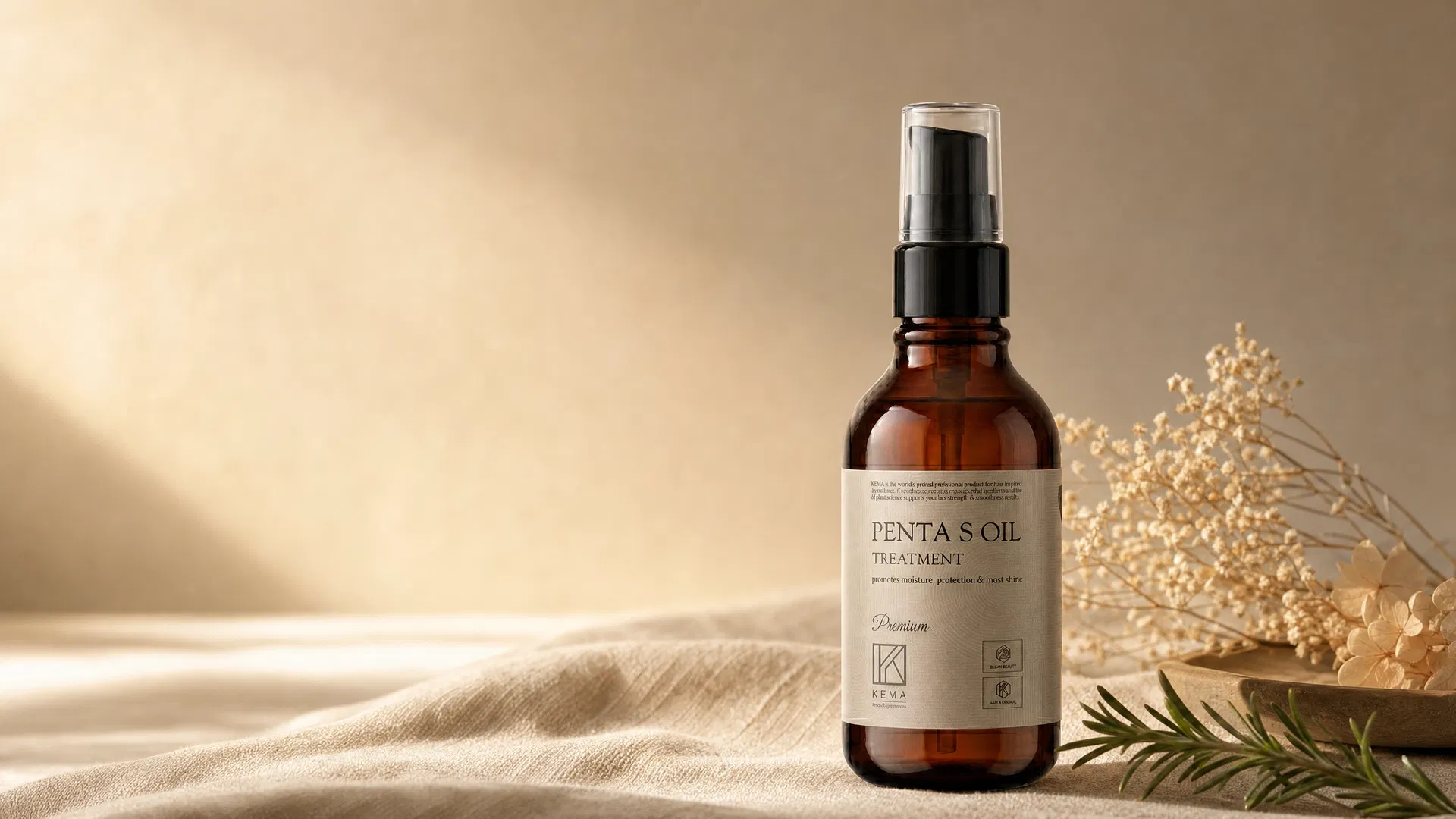
What it means to transform
dry, frizzy hair.
Noticing unmanageable hair in the morning mirror? The cause is never your age or your hair type—it lies within your daily routine. Understanding the cause, selecting the right product, and applying it correctly—this is the answer KEMA proposes through hair oil.

- Why hair becomes dry — Understanding the causes
- Understanding hair structure — Hair Anatomy 101
- The three benefits of hair oil
- Hair Oil vs. Milk/Cream Comparison
- Choosing the right hair oil for your hair type
- Seasonal Hair Oil Care Calendar
- Editor's Choice — KEMA Penta S Oil
- Correct application — 5 simple steps
- Pro salon techniques for the perfect finish
- Bad habits to avoid
- Change your hair in 4 weeks — Recovery Plan
- The KEMA Philosophy — Liposome Technology
- Hair SOS signs checklist
- Customer reviews — Real Stories
- FAQ
- Conclusion
Why does hair become dry?
— The real causes.
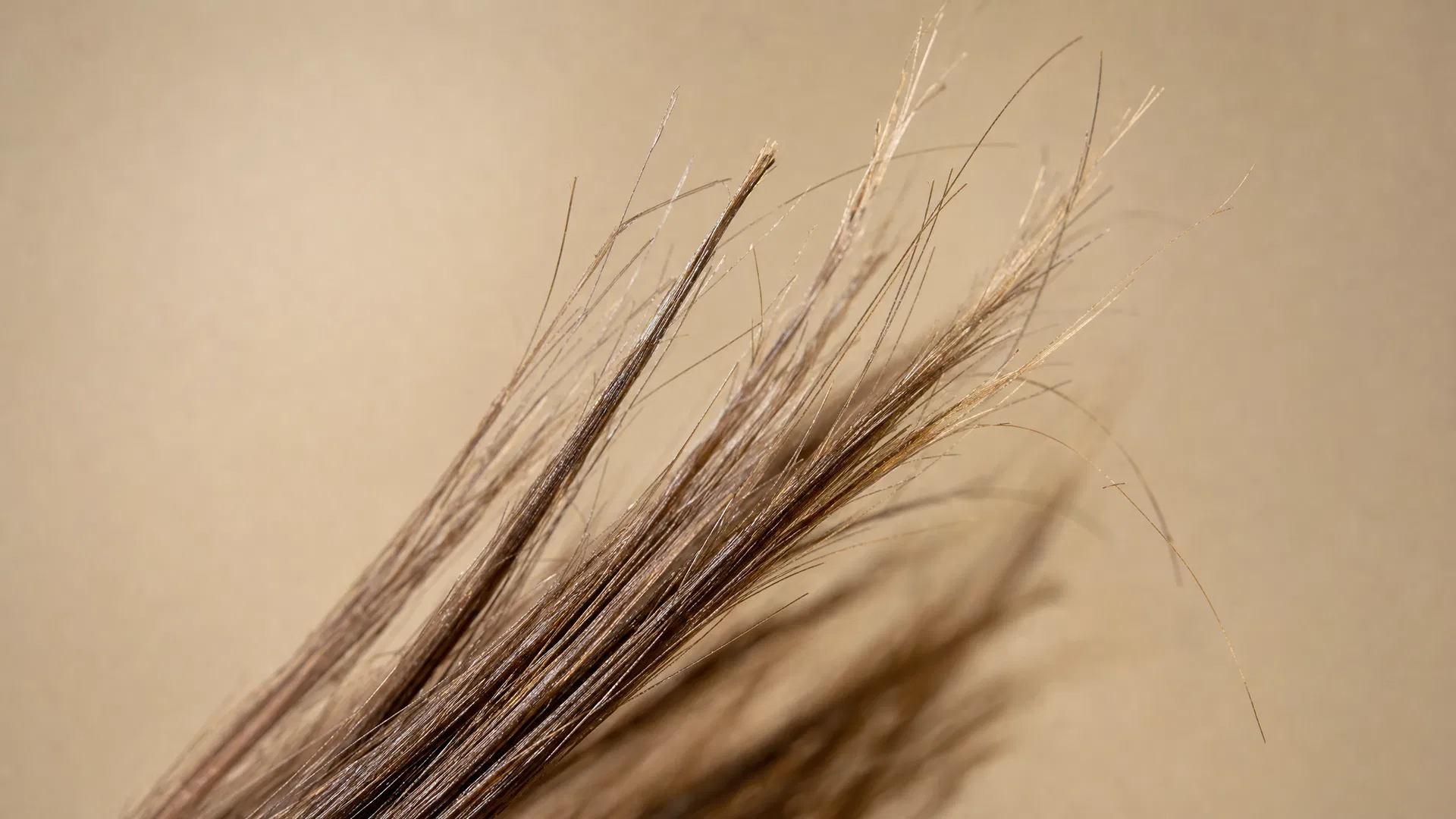
Hair dryness is by no means just a matter of age or constitution. It is a phenomenon caused by a disruption in the balance of moisture and oil within the hair, leading to damaged cuticles. Correctly understanding the cause is the first step toward improvement.
Damage from external factors
UV rays, dryness from air conditioning, chlorine from seawater or pools, and the daily heat from hair dryers and straighteners. These gradually wear away the cuticle that protects the surface of your hair, causing internal moisture to evaporate. Especially from spring through summer, UV levels increase, making hair just as susceptible to damage as your skin.
Cumulative damage from daily care
Coloring, perms, harsh shampoos, and excessive brushing. Daily habits can unknowingly destroy the internal structure of your hair. Since damaged hair cannot self-repair, repairing and protecting it from the outside is more important than anything else.
The real problem is the imbalance of moisture, lipids,
and proteins within the hair core.
with hair dryness/frizz
loses moisture vs. healthy hair
during flat iron use
Understanding hair structure
— Hair Anatomy 101.
To understand dryness from the root, knowing the structure of the hair itself is the shortcut. Hair is not just a "strand," but a precision composite material consisting of 3 layers. Each layer has its own role, and damage progresses from the outside in.
-
iCuticleThe outermost layer of the hair. Overlapping like roof tiles, it protects the interior. If it peels off due to friction or heat, internal moisture and nutrients escape, directly causing dryness.
-
iiCortexThe central part making up 85–90% of the hair. It retains moisture, proteins, lipids, and melanin. When this dries out, hair loses its firmness, elasticity, and shine.
-
iiiMedullaThe core at the center of the hair. It is not present in all strands but is more common in thicker hair. It acts as insulation and helps with moisture retention.
Hair oil mainly serves to fill the gaps in the cuticle, smoothing the surface and preventing internal moisture evaporation. Furthermore, KEMA's liposome formulation delivers ingredients deep into the cortex, achieving both surface care and internal repair simultaneously.
The three benefits
of hair oil.
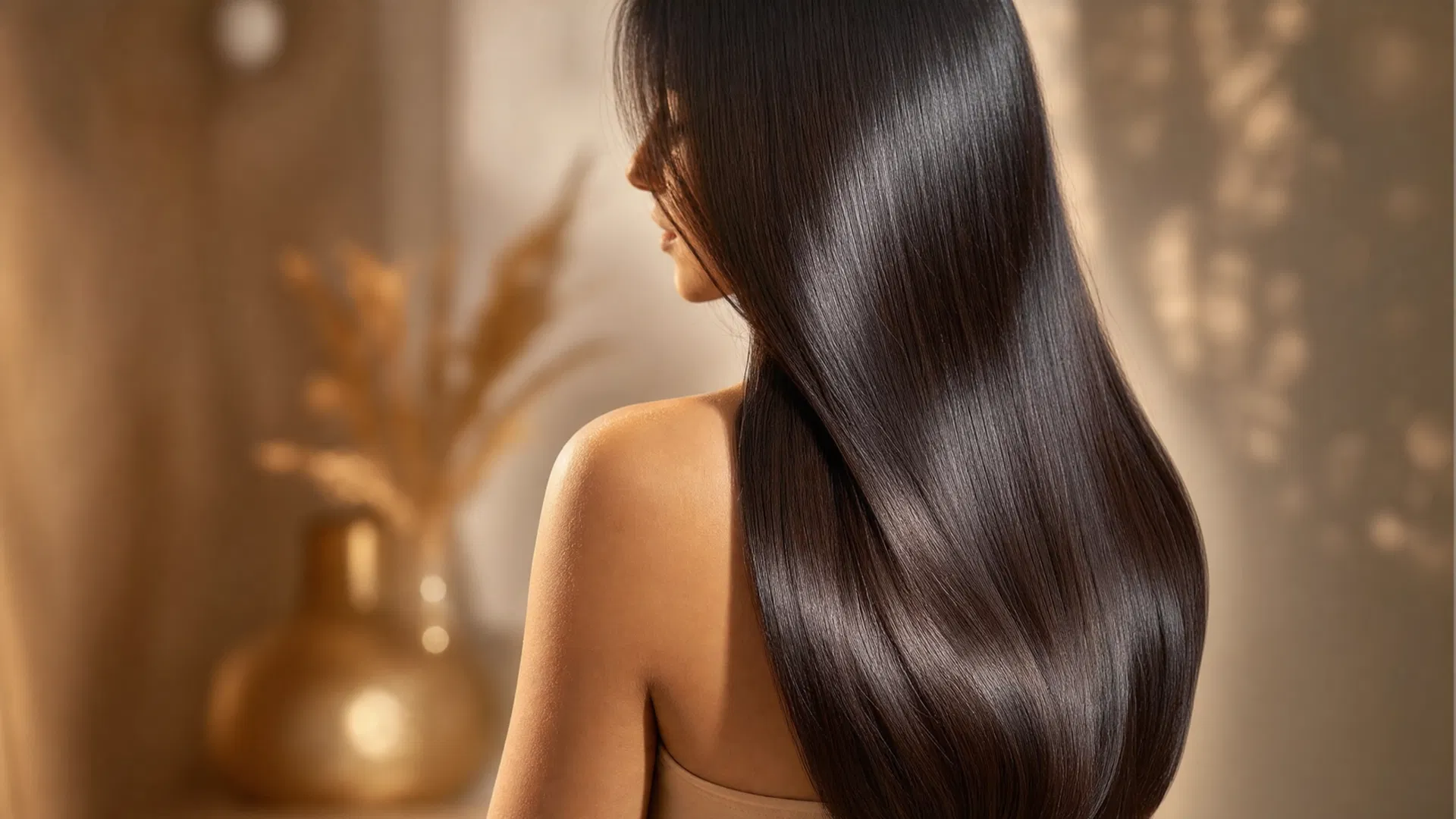
Hair oil is not just an item to add "shine" to hair. When used correctly, it has the power to fundamentally improve hair concerns.
-
IMoisturizing — Creating a moisture-locking barrierForms a thin oil film on the surface of the hair to prevent moisture loss and protect against external dryness. Leads to manageable hair that is resistant to humidity changes.
-
IIRepairing — Smoothing damaged cuticlesPenetrating ingredients fill in gaps, guiding hair to a supple state all the way to the ends. You can clearly feel the difference in texture.
-
IIIProtecting — Defending hair from daily damageBy layering it onto styled hair, it protects against UV rays, dryness, and friction—a "parasol for your hair." Use it for the final touch to maintain shine and texture until evening.
Hair Oil vs. Milk,
Cream, & Mist.
There are several types of leave-in treatments. Because each has a different role, it is important to select and combine them according to your specific concerns. Let's compare them in a chart.
| Aspect | OilHair Oil | MilkHair Milk | CreamHair Cream | MistHair Mist |
|---|---|---|---|---|
| Main Component | Oil-based | Moisture + Oil | Oil + Moisturizer | Water-based |
| Primary Role | Finishing, adding shine, coating | Moisturizing, softening (leave-in) | Managing, volume control | Light hydration, fixing bedhead |
| Finish | Shiny, smooth | Moist, soft | Softly managed | Light, natural |
| Suitable Hair Type | All hair types | Normal to dry hair | Frizzy, voluminous hair | Fine, soft hair |
| Timing | After drying, after heat styling | Damp hair after towel drying | Styling dry hair | Morning, daytime, bedhead |
| State | Layer over dry hair | Apply to damp hair | Apply to dry hair | Spray on dry hair |
| Shine Finish | ★★★★★ | ★★★ | ★★★ | ★★ |
While hair oil and hair milk are often confused, their roles are clearly different. Hair milk is a leave-in treatment to be applied to damp hair, while hair oil is a finishing item applied to dry hair. The ideal routine is "sequential care": use milk to infuse moisture after towel drying, and then use oil to finish after blow-drying.
Oil is for "dry hair."
The order defines the finish.
How to choose your
hair oil.
The most important thing when choosing a hair oil is to select one that suits your hair type and desired finish. Even for the same issue of dryness, the optimal oil varies depending on your hair quality.
For fine or soft hair
Heavy oils can make hair look limp. Choose oils with a light texture, such as argan or jojoba oil. Even a small amount spreads well without leaving a sticky residue.
For thick, coarse, or curly hair
Oils with a bit of weight, such as camellia oil or macadamia nut oil, are recommended. They help suppress volume and lead to a moisturized, cohesive finish.
For severely damaged or bleached hair
Use a dense oil containing repair ingredients. If you are particularly concerned about split ends, choose a highly moisturizing blend oil, which can be expected to provide internal repair.
is the new standard for modern hair care.
Seasonal hair oil
care calendar.
Hair concerns change with the seasons. From dryness and UV rays to humidity and cold—by slightly shifting your focus throughout the year, you can significantly improve your hair's condition.
A season of increased pollen, dust, and strengthening UV rays. A time to make light oil application a daily habit.
UV Care BeginsPeak season for damage from UV rays, salt water, pool chlorine, and sweat. Essential protection from heat before using irons.
Heat Protection MaxThe season when summer damage appears. Hair loss and dryness increase. The best time to start intensive repair care.
Intensive RepairAir dryness, heating, and static electricity directly strike your hair. Rich moisture and friction prevention are required. Increase intensity of night care.
Deep Moisture CareKEMA Penta S Oil is an all-season formula. Especially in spring–summer when UV rays increase, and autumn–winter when heating dryness becomes severe, we recommend adjusting the amount by one extra drop.
The Correct Way
to Use as a Finishing Oil
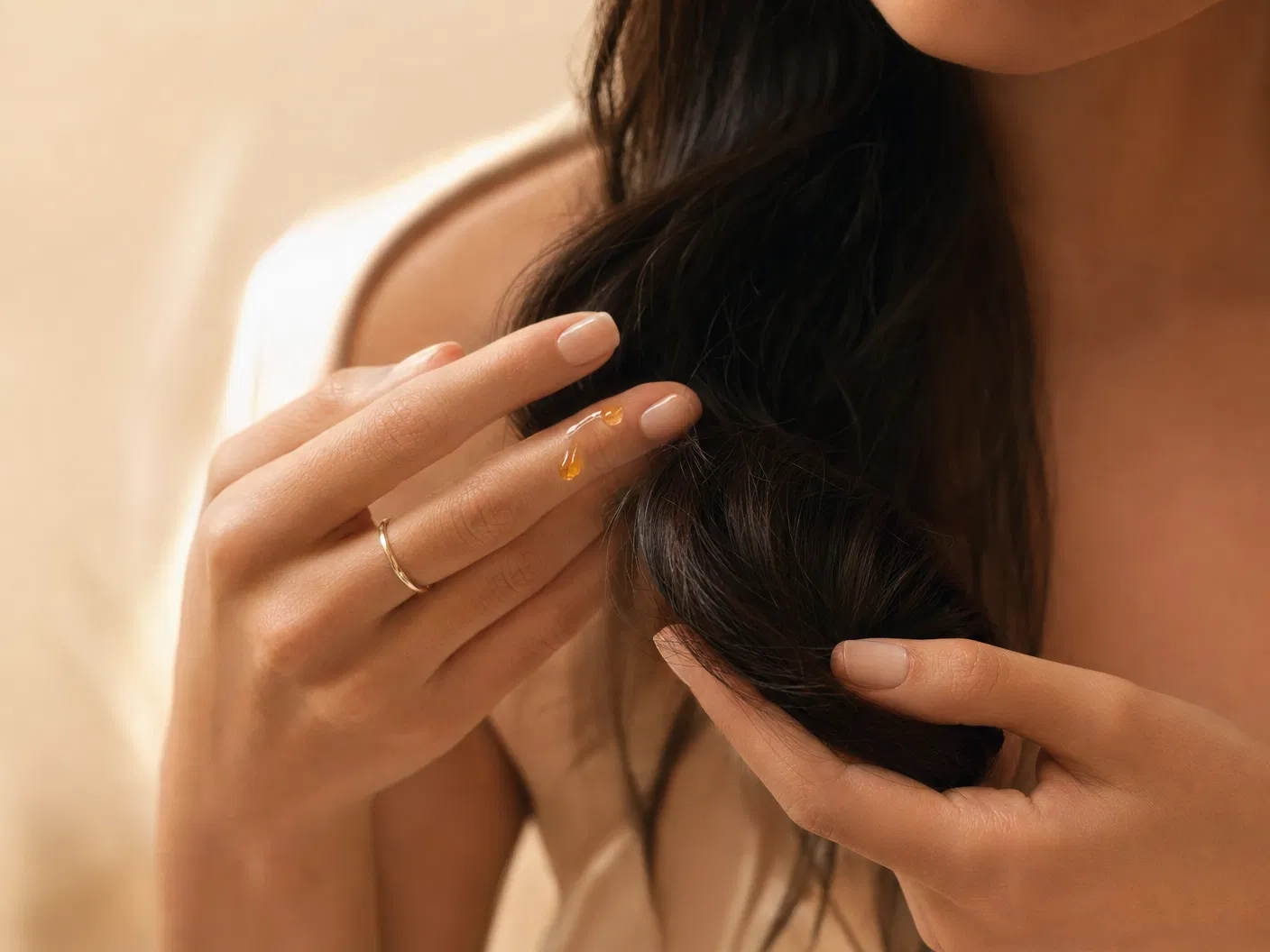
KEMA Penta S Oil is a hair oil designed for the "finishing" step, used after blow-drying your hair or styling it with a hair iron. By layering it onto dry hair, you complete a silky, glossy look with a protective coating.
Dry hair completely
After shampooing, towel dry your hair → apply a leave-in treatment (such as hair milk) → and use a hair dryer to thoroughly dry from the roots. Penta S Oil is an item to be used once your hair is "completely dry."
Style with a hair iron if needed
If you are straightening or curling your hair, use your styling tool at this stage. After styling, the hair cuticle is slightly open due to the heat. This moment is the perfect time to seal it with oil.
Warm 1–2 pumps in your palms
The recommended amount is 1 pump for short to bob-length hair, and 1–2 pumps for medium to long hair. Rub the oil between your palms to gently warm it up, which significantly improves how well it blends into and penetrates the hair.
Apply to dry hair, starting from the ends and moving to the mid-lengths
Apply to the ends, where hair is most prone to damage, as if running your fingers through it. Continue to the mid-lengths, and finally, lightly smooth any remaining oil on your palms over the surface. Never apply it to your roots or scalp (as this causes greasiness and clogged pores).
Use for morning styling, too
The next morning, layer a small amount (about half a pump) onto the ends of your dry hair for all-day shine. It is perfect for smoothing out bedhead or as a final touch before heading out. "Layering onto dry hair" is the fundamental way to use Penta S Oil.
The final drop to layer on at the end of your styling routine.
Salon secrets for
the perfect finish.
Three techniques practiced by professional stylists to help you achieve salon-quality results at home. Professional habits you can start using tomorrow.
"Warm for 3 seconds"
to boost penetration
After dispensing the oil, rub your palms together firmly for 3 seconds to warm it up. Oil liquefied by body heat penetrates hair about twice as fast. Cold oil just slides over the surface without reaching the interior.
"Inside to outside"
application order
Lift the hair on the back of your head and start by applying to the ends on the inner layers. Finally, blend any remaining oil on your palms onto the surface. Applying to the surface first causes greasiness.
"Double apply on dry hair"
for a flawless finish
Use 1 pump immediately after fully blow-drying, and another half-pump after styling with a hair iron. Layering twice on dry hair provides depth to the shine and keeps it lasting until the next day. This is the secret to a salon finish.
All of these techniques are based on KEMA Penta S Oil's design, which is specifically for "layering on dry hair." The era where you can replicate professional techniques in your own home bathroom has arrived.
Bad habits
to avoid.
Habits you might think are helping could actually be worsening your hair's dryness. If any of these sound familiar, consider changing them starting today.
Such usage can be counterproductive.
- Applying oil directly to the scalp or roots (causes greasiness and clogged pores)
- Applying a large amount to dry hair at once, resulting in a heavy, flat finish
- Applying Penta S Oil to wet hair (as a finishing product, the water dilutes it, halving its effectiveness)
- Using it as a replacement for leave-in treatment (they serve different roles)
- Using the same oil for many years without noticing changes in hair quality
- Applying a large amount before shampooing, only to wash the nutrients right down the drain
Hair oil is not a product where "more is better." A small amount, at the right time, applied with care. If you follow these basics, your hair will surely reward you.
Hair changes in 4 weeks:
The Recovery Plan.
The turnover cycle for hair is about one month. A KEMA-recommended hair oil care roadmap for the next four weeks. See the changes emerging week by week, and check points to keep you going.
The week you feel a difference in smoothness
From the first day, you will feel a difference in shine and texture. "Split ends don't get caught in my hands" and "brushing is lighter" are the first signs. In this week, build the habit of applying Penta S Oil as a "finish" after blow-drying and using a hair iron.
The week shine becomes established
The cuticles on the surface are smoothed, and the way light reflects changes significantly. You'll begin to feel like your hair "settles even without styling." This is the time to add one more drop before morning styling to increase the longevity of the shine.
The week of change from the core
Repair effects from the inside begin to appear on the surface. Dryness and breakage at the ends decrease, and bounce and resilience return. This is the time to try "intensive night care" by using a little more on the weekend to promote repair while you sleep.
The week your new hair becomes "the new normal"
The week people around you start asking, "Did you do something to your hair?" You have escaped the damage cycle, and the turnover of healthy hair has begun. From here on, it is the maintenance phase. By continuing throughout the year, your hair quality will be transformed.
The key is not to demand dramatic changes in just one day. Like a living thing, your hair will respond a little bit every day. For the version of yourself four weeks from now, add that drop tonight.
For use before finishing:
Care items for wet hair.
Apply to wet hair after towel drying → Dry with a blow dryer → Finish with Penta S Oil.
KEMA's leave-in treatments for that "first step" of care.

For wet hair after towel drying. KEMA’s #1 bestseller leave-in balm that supports internal hair bonds. Use in combination with Penta S Oil for maximum effect.

A leave-in treatment balm applied to wet hair after towel drying. A staple of daily leave-in care, providing moisture and nutrients before drying.
Hair SOS Sign
Checklist.
Small warnings from your hair that are easy to miss even when looking in the mirror every day. If three or more apply to you, it may be time for a serious review of your care routine.
How many of these apply to your hair?
- Increasingly sighing at your hair in the mirror in the morning
- Ends look white or brown due to dryness on some days
- Hair snags when brushing or broken hair gets caught in your fingers
- Hair puffs up and spreads out on humid days
- Stiffness persists for more than 3 days after color or perm
- Feel like there is more hair on your pillow due to shedding or breakage
- The texture from your salon visit disappears by the next day
- Using the same hair care for 2+ years without changing your hairstyle
Like skin, hair changes with daily habits. Realizing it now is the beginning of change.
Customer Voices
—— Real Stories.
Voices from customers who actually use KEMA Penta S Oil. We deliver their real experiences as they are.
I use an iron every day, so dryness was a constant struggle. Since switching to Penta S Oil, my hair stays shiny even into the evening. I love that it leaves my hair feeling light and isn't sticky after application.
My hair, which was heavily damaged from repeated bleaching, changed significantly after about 3 weeks of use. Even my hairstylist said, "Your hair has changed," which made me happy. The scent is elegant, and I look forward to my daily care.
I have curly hair that used to frizz easily, but using Penta S Oil has made morning styling so much easier. One pump makes my ends feel hydrated without feeling heavy. It's truly "what I was looking for."
Frequently Asked Questions.
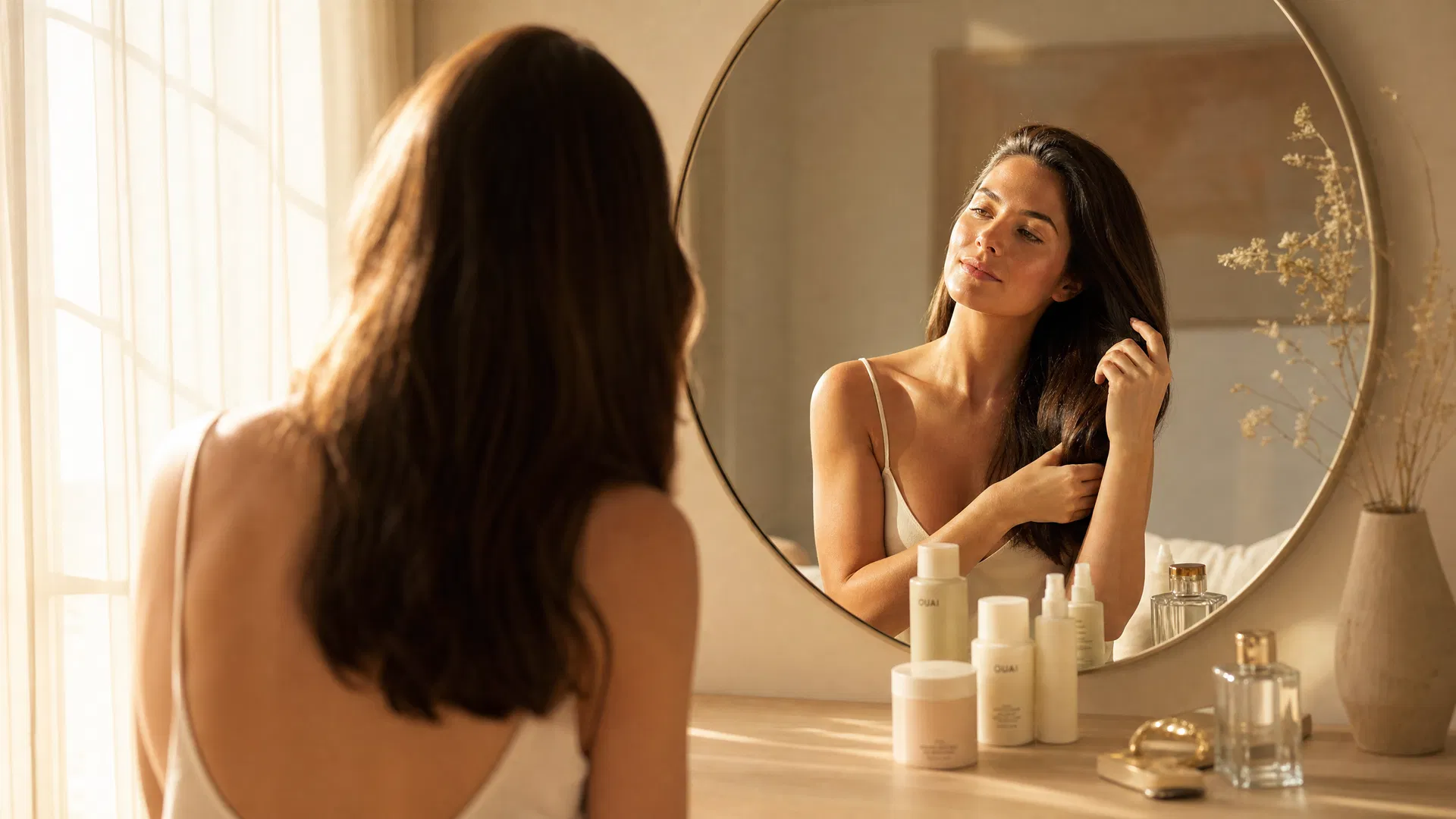
Your hair is shaped by your choices every day.
The path to improving dry, brittle hair is not about doing one grand thing, but about the accumulation of small, intentional acts. Knowing the cause, choosing the right oil for your hair, and using it correctly. By carefully maintaining these three habits, your hair will surely change. The single drop you apply today shapes the hair you will have tomorrow.


